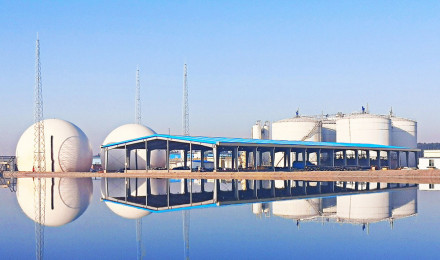

Vegetable Waste Biogas Plant
A vegetable waste biogas plant, also known as an anaerobic digestion plant or biogas facility, is a facility that utilizes organic waste from vegetables or other sources to produce biogas through a process called anaerobic digestion. This process involves breaking down organic matter in the absence of oxygen, resulting in the production of biogas, primarily composed of methane and carbon dioxide.
YHR Biogas from Food Waste Project Projects
Luliang Project
Utilizing vegetable leaves and residues as raw materials, the project treats 2,500 tons of material every day, generating 40,000,000 m³ of biogas.
How Does Anaerobic Digestion Work in a Vegetable Waste Biogas Plant?
Anaerobic digestion is a biological process where microorganisms break down organic materials in the absence of oxygen, producing biogas as a by-product. In the biogas plant for restaurants, vegetable waste is placed in an anaerobic digester, where it undergoes decomposition by bacteria, resulting in the production of methane and carbon dioxide gases, which are collected as biogas.
As a leading bio gas plant manufacturer, we offer a broad portfolio for all aspects of energy production from biomass. We offer customised plant concepts, an all-round service, green concepts for host biomethane and electricity marketing as well as heating concepts. In addition, as one of the reliable biogas plant suppliers, we also operate our own biogas plants in cooperation with local partners from agriculture or the energy industry.